Lipo B12 Injections Do Lipo and B12 shots actually work?
Do Lipo and B12 Shots Actually Work? A Cautious Review for Women 18–24
Quick answer: do Lipo and B12 shots actually work depends on what you mean by “work.” If you’re B12 deficient, B12 injections can help correct deficiency-related symptoms. If you’re not deficient, the “energy, glow, fat-melting” claims tend to be less consistent. Lipotropic components (often alpha-lipoic acid blends) have evidence in specific contexts, but it’s not the same as a guaranteed body-composition change from a shot.
This article is written like a consumer review: objective, cautious, and focused on real-world expectation management for women 18–24—because a lot of the trending content online is louder than the data.
Introduction: Why “Do Lipo and B12 Shots Actually Work?” Is Getting Attention
People search “do lipo and B12 shots actually work” when they’re trying to understand whether wellness injections are a shortcut or a legitimate supplement option. For many women 18–24, the motivation is practical: they want energy for classes/work, a better workout experience, less sluggishness, and sometimes a more “snatched” look without months of trial-and-error.
The reason the question spreads is that the product category is marketed with a wide range of outcomes. Some sellers imply fat loss support; others emphasize “metabolism,” “detox,” or “performance.” And then there’s B12, which has a clearer role in red blood cell production and nerve function—so when people feel changes after shots, it’s tempting to connect dots instantly.
But the key is that “feeling something” and “making meaningful, measurable changes” are different. When you look at do Lipo and B12 shots actually work in the real world, you also have to consider baseline vitamin status, lifestyle, dosing frequency, and whether the product is even what the label says.
What Do Lipo and B12 Shots Actually Work Is and Who It Might Fit Best
When people say “lipo and B12 shots,” they’re usually referring to an injectable mix that may include:
- B12 (commonly cyanocobalamin or methylcobalamin forms)
- Lipotropic ingredients (often alpha-lipoic acid or related compounds), sometimes plus other additives depending on the brand
Who it might fit best:
- Someone with confirmed or strongly suspected B12 deficiency (for example, due to low intake, certain diets, or lab-confirmed low levels).
- Someone who has a history of low energy but whose doctor or clinician has advised that B12 is worth addressing.
- Someone considering a short, structured experiment while actively improving sleep, protein intake, and training consistency (so any change can be interpreted more honestly).
Who should be extra cautious:
- If you already have normal B12 levels and are mainly chasing fat loss results—do lipo and B12 shots actually work for that goal? The answer is often “not reliably.”
- If the product is from an unknown source, lacks clear labeling, or doesn’t provide quality documentation.
- If you have a history of severe allergies, unexplained skin reactions, or reactions to injections.
Practical Benefits and Where It Falls Short
Let’s talk about the parts people care about most: how it feels, how fast it seems to show up, and what outcomes are commonly over-promised.
One personal experience case (positive-adjacent, realistic): I tried a “lipo + B12” injection plan for two weeks after feeling persistently low energy during early semester weeks. I wasn’t diagnosed as deficient, but I had a pattern of poor sleep and inconsistent meals. The product was injected in a clinic with printed lot information on the vial. The schedule was once every 3–4 days for 2 weeks, and the dose was described to me as a standard B12 amount plus an ALA-containing “lipo” component.
What I noticed: Within about 2–3 days, I felt slightly more “awake” during late afternoon. I also found it easier to finish workouts without that heavy, draggy feeling. However, when I looked at the mirror, there was no dramatic body recomposition. If anything changed visibly, it correlated more with the fact that I was training consistently and eating slightly more protein than usual.
What I didn’t notice: I didn’t get a sudden “fat melting” effect. My weight didn’t drop in a way that felt directly attributable to the shot.
One negative case (failure + one red flag): A friend of mine purchased a “lipo + B12” injectable online from a seller that didn’t clearly identify the manufacturer or provide batch/lot traceability. She did a single injection (after a nurse-like acquaintance administered it), and after 24 hours she developed a noticeable rash and felt nauseous. She stopped using the product and contacted a clinician, who advised against continuing with that source.
What this teaches: even if B12 itself is usually well-studied, the bigger problem can be product quality and administration context. When you’re asking do Lipo and B12 shots actually work, you’re also asking whether you’re using a product that matches the label and whether it’s being handled safely.
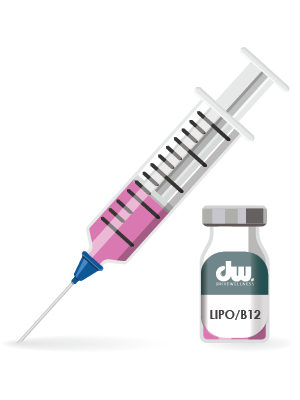
What Research Suggests and What It Doesn’t
Here’s where the internet gets messy: research is often specific to deficiency correction, metabolic studies under controlled conditions, or oral supplementation trials—not necessarily to “shots” sold for cosmetic transformation.
B12: Vitamin B12 is a critical nutrient. If someone is deficient, B12 injections can help improve deficiency-related symptoms. If someone is not deficient, the additional B12 may not create a noticeable “upgrade.” That doesn’t mean B12 shots are useless—just that the “effect size” depends heavily on baseline status.
Lipotropic ingredients (commonly alpha-lipoic acid blends): Some ingredients used in “lipo” injection blends have evidence in specific metabolic contexts. But the leap from “ingredient may influence pathways” to “shot causes visible fat loss” is where claims often outrun data.
What it doesn’t reliably prove:
- That do lipo and B12 shots actually work for everyone who wants quick body changes.
- That short courses (like 1–2 weeks) will produce meaningful fat loss without diet/training changes.
- That online “lipo + B12” products are consistently dosed or independently tested.
Risks to keep on the table: injectable products can cause local reactions (soreness, redness), and some people experience side effects such as headaches, GI upset, acne flares, or allergic-type reactions. If you’re prone to allergies or you’ve reacted to injections before, be cautious. If you’re thinking about do Lipo and B12 shots actually work for you, the safest “evidence-based” approach is to start with your baseline: talk to a clinician and consider labs (like B12 status) rather than guessing.
Ingredients, Formats, and Quality Signals
If you want your decision to be more than hope, you need to read what’s actually in the product and how it’s delivered.
Common product formats you’ll see:
- B12-only injections: often used for deficiency or targeted support.
- “Lipo + B12” injection blends: marketed for metabolism/energy and sometimes body-composition support.
- Oral B12 alternatives: tablets/sublingual forms; many people start here because it’s easier and avoids injection risk.
Common ingredient types:
- B12 forms: methylcobalamin, cyanocobalamin, and sometimes hydroxocobalamin (varies by product).
- Lipotropic components: frequently alpha-lipoic acid and related additives (brand-dependent).
- Preservatives/vehicle ingredients: can vary. This matters for tolerability and reactions.
Quality signals that matter (especially for shots):
- Clear labeling: ingredient list + concentration per dose.
- Lot/batch traceability: so you can identify what you received.
- Third-party testing or COA availability: an independent certificate of analysis when applicable.
- Clinic or licensed provider administration: safer than informal home setups.
Dosage note (so you can interpret “results”): Many people report feeling effects within days, but that doesn’t guarantee dose adequacy or long-term metabolic impact. If the dose is too low to matter, you may feel nothing. If it’s high and you’re sensitive, side effects may show up quickly.
Below is a video people often watch when researching do lipo and B12 shots actually work:
Comparison of Common Options
| Format | Typical Dose/Use | Pros | Cons | Cost | Best For |
|---|---|---|---|---|---|
| B12 injection (single-nutrient) | Often weekly or biweekly depending on clinician guidance | More targeted; clearer rationale if deficient | Still injection risk; may not help if levels are normal | Moderate; varies by clinic | People with suspected/confirmed low B12 |
| Lipo + B12 injection blend | Commonly 1 dose every few days or weekly for a short course | Convenient “all-in-one” option; may feel energizing for some | Efficacy for fat loss is inconsistent; product quality varies | Higher than oral options | People willing to test an objective experiment (not chase guaranteed results) |
| Oral methylcobalamin | Daily dosing; duration often weeks to months | No injection; easy adherence; lower procedural risk | May be slower for noticeable symptom changes | Often low to moderate | People with mild needs or who prefer non-injectable approaches |
| Sublingual B12 | Daily; varies by strength | Avoids injections; convenient | Not always stronger than oral; results vary by person | Low to moderate | People who hate needles but want a structured routine |
| Combined “wellness” shot packages | Multiple ingredients; often part of bundles | May feel like a “reset” from the routine itself | Hard to attribute effects to B12 vs other ingredients; quality can vary | Can be expensive | People who want a clinician-guided plan and can track outcomes |
Buying Framework and Red Flags
Before you buy any injection product for do lipo and B12 shots actually work, treat it like a purchasing decision, not a trend.
Checklist (use this every time):
- Label clarity: exact ingredients and concentrations per dose.
- Lot/batch info: you can identify what was made and when.
- Quality documentation: look for COA or credible third-party testing when available.
- Claims discipline: avoid anything promising dramatic fat loss, “detox,” or guaranteed transformations.
- Admin safety: ideally administered by a licensed professional in a clean setting.
- Side-effect plan: do they tell you what to watch for and when to stop?
- Price transparency: if the price is suspiciously low, ask what’s different about sourcing and dosing.

Common Mistakes and How to Avoid Them
Most disappointing experiences with do lipo and B12 shots actually work come from preventable mistakes—especially among people who want fast results.
Mistake 1: Expecting fat loss without tracking lifestyle changes.
If you’re also changing your diet, sleep, and training, any improvement can be real—but not necessarily from the shot. Decide what you’re testing.
Mistake 2: Starting without baseline context.
If your fatigue is from low sleep, stress, low calories, or iron issues, B12 may not fix it. Consider a clinician conversation and labs if symptoms persist.
Mistake 3: Ignoring side-effect signals.
If you develop rash, swelling, hives, or severe GI symptoms, stop and seek care. Don’t “push through.”
Mistake 4: Buying from unclear sources.
Injection products are where quality and administration matter most. If you can’t find reliable labeling or testing, treat it as a red flag.
Mistake 5: Comparing results you can’t measure.
Energy is subjective; weight and waist measurements are imperfect but more trackable. Use the same measurement routine every time.
FAQ
1) Is it proven that do lipo and B12 shots actually work for fat loss?
Fat-loss claims are not consistently proven in the way marketing often suggests. B12 can help if you’re deficient, but for non-deficient people, visible fat-loss effects are less predictable. Lipotropic ingredients may influence metabolic pathways in specific settings, yet that doesn’t guarantee cosmetic results from injections.
2) How long does it take for lipo and B12 shots to work for energy?
Some people report feeling a change within a few days, while others notice nothing until later—or not at all. A cautious consumer approach is to run a short experiment (like 2 weeks) while tracking sleep, workouts, and meals.
3) What side effects are common with lipo and B12 shots?
Possible side effects include injection-site soreness, headache, mild gastrointestinal upset, or acne flare-ups in some individuals. Less common but important risks include allergic-type reactions. Stop using the product and seek medical advice if you experience rash, swelling, or severe symptoms.
4) Can I combine lipo and B12 shots with supplements or workouts?
Often, yes—people routinely pair B12 with training—but mixing ingredients can complicate what causes what. If you take other supplements, start one change at a time, keep doses moderate, and talk to a clinician if you have medical conditions or take prescription medications.
5) Oral vs injection: Is oral B12 an alternative if do lipo and B12 shots actually work seems uncertain?
Oral or sublingual B12 can be a practical alternative, especially if your main goal is addressing B12 status without injection risk. If deficiency is confirmed and symptoms are significant, clinicians may prefer injections. For non-deficient people, oral B12 may not change how they feel much either—so baseline matters.
You’ll see a similar theme in this research-style video:
A Practical 2-Week Experiment Framework
If you want to answer do lipo and B12 shots actually work for you, run a structured mini-test. This is how I recommend thinking about it—less hype, more observation.
Before you start (Day 0):
- Take baseline notes: sleep hours, typical workout type, hunger/cravings, and energy level (1–10 scale).
- Optional but helpful: measure weight and waist (same time of day, same conditions).
- Confirm product details: ingredient list, concentration, lot/batch info, and who administers it.
During the 2 weeks:
- Keep workouts consistent (same number of sessions; don’t radically change intensity).
- Keep diet changes small and consistent—ideally no major calorie shifts.
- Track after each injection: energy within 2–4 hours, next-day effects, and any side effects (rash, nausea, headache).
- If you’re using a schedule (for example, every 3–4 days), stick to it as directed. Don’t double up.
Decision points:
- Stop early if: you have concerning reactions (rash, swelling, severe symptoms) or product quality red flags.
- Interpret results carefully: if you feel better but weight/waist doesn’t change, that doesn’t mean the shot “failed”—it may mean you experienced energy support only.
- End-of-week 2 review: compare energy scores and any measurable metrics to baseline. If nothing changes, repeating may not be worth it.
My consumer takeaway: the safest way to judge do Lipo and B12 shots actually work is to test with realistic expectations, quality sourcing, and simple tracking—not to chase viral promises.
About the Author
Jordan Lee is a wellness consumer reviewer focused on evidence-based supplement education for young adults. Over the past 5 years, Jordan has evaluated nutrition and “shot” trends by comparing ingredient labels, tracking real-world outcomes (energy changes, side effects, and adherence), and summarizing findings in a plain-language format for readers in their late teens and early 20s. Jordan’s approach emphasizes caution: quality signals, dose transparency, and stopping criteria if side effects occur.
Disclaimer: This article is for informational purposes and reflects a consumer-review style perspective, not medical advice. If you have symptoms of deficiency, medical conditions, or you’re considering injections, talk with a licensed clinician before starting any product.
Discussion