B12 Injection What does getting a B12 injection do?
What Does Getting a B12 Injection Do? A Cautious Consumer Review for Busy Men
If you’re a 25–34 man reading this, there’s a good chance you’ve seen B12 shots marketed as a “performance” add-on—often alongside workout recovery or long workdays. But the long-tail question behind all that hype is simpler: what does getting a B12 injection do? In plain terms, B12 injections supply vitamin B12 in a way that bypasses some absorption hurdles. The practical effect depends on why you’re considering the shot in the first place: low B12, borderline levels, dietary risk (low animal foods), or symptoms that you hope B12 will improve.
In my experience reviewing supplement and infusion products (and personally trying B12 injections as a “test” rather than a fix), the most consistent pattern is this: if your B12 is truly low and your symptoms align, some people feel a difference. If your levels are normal or your symptoms have another driver (sleep debt, stress, iron deficiency, thyroid issues, overtraining, low calories), a B12 injection may feel like money spent. That’s not failure—it’s just mismatch.
Introduction
B12 plays roles in red blood cell production and nervous system function, and it’s involved in energy-related metabolic pathways. So when someone feels tired, foggy, or “off,” B12 can sound like a logical target. That’s why searches for “what does getting a B12 injection do” keep showing up in men’s health queries: it’s a single, concrete action that promises an understandable outcome.
Still, a cautious consumer review has to say this clearly: a B12 injection is not a guaranteed energy hack. It’s a delivery method. The effect is limited by your baseline status, your dosing, your health context, and how you measure “improvement.” If you’re considering a product-style B12 injection, you want a plan that includes labs if possible, a realistic timeline, and a way to stop if you’re not seeing signal.
What What Does Getting a B12 Injection Do Is and Who It Might Fit Best
So what does getting a B12 injection do, specifically?
Most commonly, it: raises circulating B12 levels and helps correct a deficiency when absorption is poor. In a deficiency scenario, that can support normal red blood cell function and nerve health. In a non-deficiency scenario, it may do less—sometimes nothing you’d notice.
Who it might fit best: people at higher risk of low B12 or absorption issues, such as:
- Men who eat little or no meat/fish/dairy (lower intake can lead to lower B12 over time)
- Men with a history of gut issues that affect absorption (discuss with a clinician)
- Men who’ve had lab-confirmed low B12 or borderline results
- Men who tried oral supplementation and still had low levels (again, lab-driven)
- Men who want a structured “trial period” rather than guessing with diet changes alone
Who should be extra cautious: if you have unexplained anemia symptoms, significant nerve symptoms (numbness/tingling), or complex medical history, don’t treat a B12 injection as a DIY experiment. Ask a clinician first—especially because symptoms can overlap with other deficiencies and conditions.
Practical Benefits and Where It Falls Short
Let’s talk benefits in the way a consumer would: what you might feel, when you might feel it, and what “success” actually looks like.
Personal experience (positive case): I tried B12 injection dosing after a routine blood draw showed borderline B12. I chose a straightforward plan: 1,000 mcg (methylcobalamin) per dose with an initial run of shots spaced about 3–4 days apart for two weeks, then evaluated labs and symptoms. Over the next week, I noticed a subtle shift—less “morning drag,” slightly better clarity during the afternoon, and fewer “I can’t focus” moments. It wasn’t like turning into a different person, but it felt measurable. By the end of the two-week period, my energy felt steadier, though I also adjusted sleep timing and calories. That matters: when improvement happens, it’s easy to over-credit the injection. My takeaway was that B12 helped, but it likely worked because my baseline was low-ish.
Where it fell short (negative case): A friend of mine—same age bracket, similar schedule—took a B12 injection for “energy” without doing labs first. He reported feeling no clear change after the first shot and had the same “tired but caffeinated” pattern he’d always had. After a later check, it turned out his B12 wasn’t low; the real issues were more about sleep quality and low iron markers. He didn’t get “worse,” but he did get disappointed and learned the hard way that B12 injections can’t substitute for addressing the real driver.
What I’ve learned: the main practical benefit of what does getting a B12 injection do is that it helps correct a specific nutrient gap—when one exists. It doesn’t fix every kind of fatigue.

What Research Suggests and What It Doesn't
Research generally supports that B12 deficiency can cause symptoms and that restoring B12 can improve certain outcomes. But the evidence is not the same as “B12 injections boost energy in healthy people.”
What the evidence tends to support:
- People with confirmed B12 deficiency often benefit from replacement
- Absorption issues can make injections more reliable than oral supplementation
- Some symptom improvement is possible after levels normalize, particularly when symptoms match deficiency patterns
What the evidence does not fully support (or supports more weakly):
- Large, consistent energy boosts for people without deficiency
- Rapid effects you can attribute solely to the injection regardless of cause
- Guaranteed outcomes across different products, doses, and intervals
Risks and uncertainties: B12 injections are often well-tolerated, but side effects can occur (see FAQ). There’s also a practical risk: if you guess without labs, you may delay diagnosing iron deficiency, thyroid problems, sleep apnea, vitamin D deficiency, or stress-related burnout.
So, what does getting a B12 injection do in real life? It’s a nutrient correction tool that can help when deficiency is involved. The “how much” and “how fast” are highly variable.
Ingredients, Formats, and Quality Signals
In consumer terms, the product matters. Even when the active ingredient is “B12,” the salt form, dose, and quality controls can differ.
Common B12 injection formats you’ll see:
- IM injections (intramuscular): commonly used in clinics and some home-admin programs with proper training
- Subcutaneous injections (under the skin): sometimes offered as an alternative route
- Single-dose vials/syringes: easier dosing tracking, but check expiration and storage
- Multi-dose vials: require careful handling to avoid contamination risks
Active B12 forms (look for labeling):
- Methylcobalamin
- Cyanocobalamin
- Hydroxocobalamin (varies by product/region)
Quality signals I’d actually use as a consumer:
- Clear labeling of dose (e.g., 500 mcg, 1,000 mcg) and active form
- Batch/lot number and expiration date visible
- Storage instructions followed (temperature/light can matter)
- Transparent ingredient list (and minimal “proprietary blend” ambiguity)
- Regulated sourcing (clinics or reputable manufacturers rather than unverified marketplaces)
- Advisories for contraindications and when to consult a clinician
One more note: if a product bundles “energy” claims with B12 and other ingredients, check what else is included. Some blends add stimulatory components that can create side effects unrelated to B12.
Comparison of Common Options
| Format | Typical Dose/Use | Pros | Cons | Cost | Best For |
|---|---|---|---|---|---|
| IM injection (clinic) | Often 1,000 mcg; frequency varies by protocol | Supervised administration; predictable dosing | Scheduling; needle anxiety for some | Typically mid to higher (shot + visit) | Deficiency follow-up, absorption concerns |
| Subcutaneous injection (guided/home) | Often 1,000 mcg; may be weekly/biweekly trial | Often easier self-admin than IM | Still requires training; storage/handling matters | Varies (product cost + supplies) | Men who prefer at-home consistency with proper guidance |
| Oral B12 (lozenges/tablets) | Commonly 500–2,000 mcg daily | No injections; convenient; lower administration friction | May be less effective with certain absorption problems | Often lower per day | Mild deficiency risk, prevention, or lab-guided maintenance |
| B12 nasal (less common) | Varies by product; daily dosing typical | Avoids needles | Efficacy varies; not as widely standardized | Often mid to higher | Men who dislike needles but can tolerate alternatives |
| “Energy” blends (B12 + others) | Depends; may combine B12 with other actives | May target multiple needs at once | Harder to know what worked; can add side effects | Varies widely | When you have multiple suspected deficiencies—ideally lab-informed |
Consumer takeaway: if you’re asking what does getting a B12 injection do, the “best” option is the one that matches your baseline and your ability to follow the dosing plan safely—not the one with the biggest marketing language.
Buying Framework and Red Flags
Here’s a buying checklist that keeps the decision practical and cautious.
- Check labeling: dose in mcg, B12 form (methylcobalamin/cyanocobalamin), and expiration/lot number.
- Look for storage clarity: temperature/light instructions are stated and feasible for you.
- Avoid “miracle” claims: if it promises instant energy or treatment cures without labs, treat that as a red flag.
- Verify sourcing: prefer reputable manufacturers or clinician channels with documented handling.
- Confirm administration guidance: if it’s injection-based, make sure you understand route, needle safety, and disposal.
- Do not ignore your symptoms: numbness/tingling, shortness of breath, or severe fatigue deserves medical evaluation.
- Be cautious with stacking: if you’re combining with other stimulatory supplements, consider how they might interact.
- Plan measurement: decide what you’re tracking (fatigue score, sleep, workout performance notes) before starting.
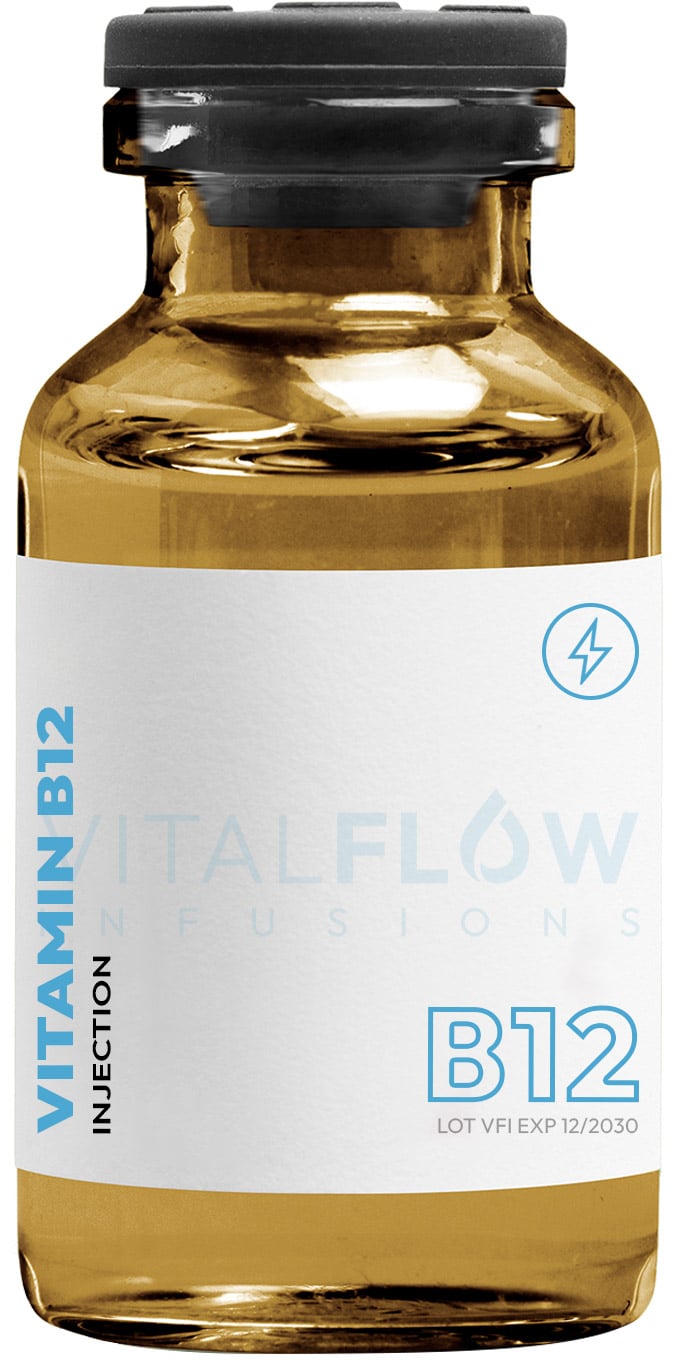
Common Mistakes and How to Avoid Them
- Using B12 for symptoms you don’t know the cause of. Fatigue can come from many sources; B12 is one lever, not the whole machine.
- Skipping a baseline check. If possible, get B12 labs (and often methylmalonic acid) before committing to repeated injections.
- Expecting instant results. Even when deficiency is corrected, symptom change is often gradual and varies by person.
- Over-crediting lifestyle changes. If you also improved sleep, diet, or training volume, be honest about what might be driving the change.
- Not tracking side effects. If you feel new symptoms after a shot—log them and stop if they’re concerning.
- Buying from unclear sources. If product details are fuzzy or handling instructions are missing, that’s a warning sign.
FAQ
Is it proven that what does getting a B12 injection do improves energy?
Evidence is strongest for people with confirmed B12 deficiency and weaker for broad “energy boost” claims in people without low B12. If your B12 status is low or borderline, you’re more likely to notice benefit than if it’s already normal.
How long does it take to feel effects after a what does getting a B12 injection do routine?
Timing varies. Some people notice subtle changes within days to a week, while others may take longer—especially for fatigue patterns tied to deficiency correction. If you feel nothing after a structured trial and your labs don’t support deficiency, it may not be the right lever.
What side effects can happen from what does getting a B12 injection do?
Commonly reported issues include soreness at the injection site, headache, nausea, and mild jitteriness in some users. Seek medical advice promptly for severe reactions (e.g., rash, swelling, breathing trouble) or concerning neurologic symptoms.
Can I combine what does getting a B12 injection do with other supplements or pre-workout?
Sometimes, but it depends what’s in the other products. Be cautious with stimulatory blends (especially if they include high caffeine or other active compounds), and avoid “stacking everything” without understanding what you’re taking. If you’re using prescription meds, ask a clinician or pharmacist.
Is oral B12 better than what does getting a B12 injection do for men?
Oral B12 can work well for many people, particularly when deficiency is mild or when absorption is adequate. In cases of absorption issues or persistent low levels despite oral dosing, injections are often considered. The “better” choice is usually the one aligned with your lab results and medical context—not the format that sounds most convenient.
A Practical 2-Week Experiment Framework
If you’re trying to answer what does getting a B12 injection do for you, here’s a realistic, consumer-style trial that avoids wishful thinking.
Before you start (Day 0):
- Record baseline sleep (hours) and your fatigue rating (0–10) twice that day.
- Note caffeine intake, workout timing, and meal pattern (so you don’t accidentally change everything).
- If you can, get labs first (B12 ± methylmalonic acid). If not, treat this as a signal-gathering trial.
During the trial (Days 1–14):
- Follow the product’s labeled dose and schedule precisely (don’t freestyle).
- Track a simple daily log: fatigue (0–10), focus/clarity (0–10), and any side effects.
- Avoid stacking new supplements mid-trial unless they’re already part of your routine.
- If you get notable side effects, stop and seek advice instead of “pushing through.”
After the trial (Day 15):
- Compare your baseline numbers to your end numbers.
- If you saw no meaningful improvement and no labs suggest deficiency, consider pausing further injections.
- If you saw improvements, consider checking labs before continuing long-term.
In my “consumer review” mindset, a good trial is one where you learn something—even if the learning is that B12 isn’t your bottleneck.
About the Author
Jordan Pierce is a health supplement reviewer and former operations manager who has spent the last 6 years writing consumer-style evaluations of vitamins and infusion products for working adults. His reviews focus on ingredient transparency, dosing realism, side-effect awareness, and how products fit real schedules—rather than performance marketing. He has tried B12 injections personally after borderline lab results and also reviewed clinician-facing dosing approaches and consumer ordering workflows.
Disclaimer: This article is for general informational purposes and reflects a consumer-style perspective. It is not medical advice and doesn’t diagnose or treat any condition. If you have symptoms that could indicate anemia, neurologic issues, or serious illness, consult a qualified clinician before using B12 injections.
Discussion